ERC Synergy 2025 for Cyril Aymonier,
member of the PEPR DIADEM program
Publié le
PEPR DIADEM extends its warm congratulations to Cyril Aymonier, CNRS Research Director, for obtaining an ERC Synergy 2025 for his GEMPROMISE project. This major European distinction rewards an ambitious project at the interface between materials science, advanced synthesis processes, and artificial intelligence, in direct continuity with the work carried out within the PEPR DIADEM.
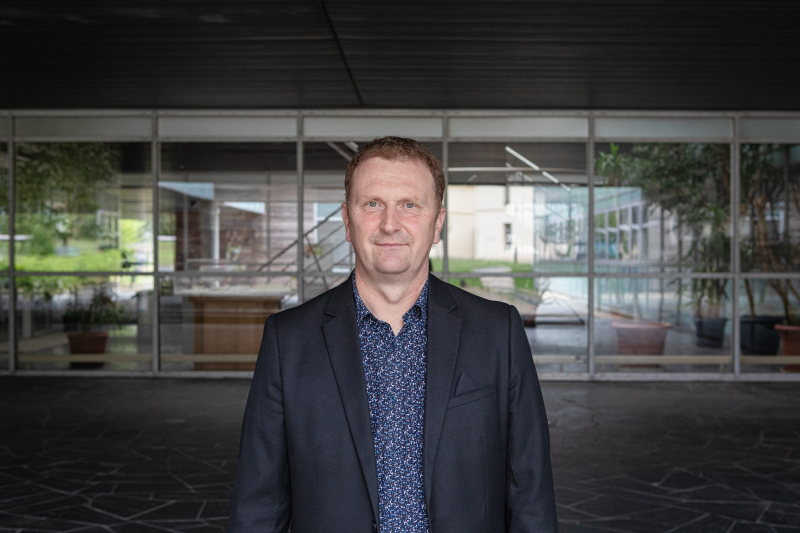
© Frédérique PLAS / CNRS Images
Strong involvement in the PEPR DIADEM program
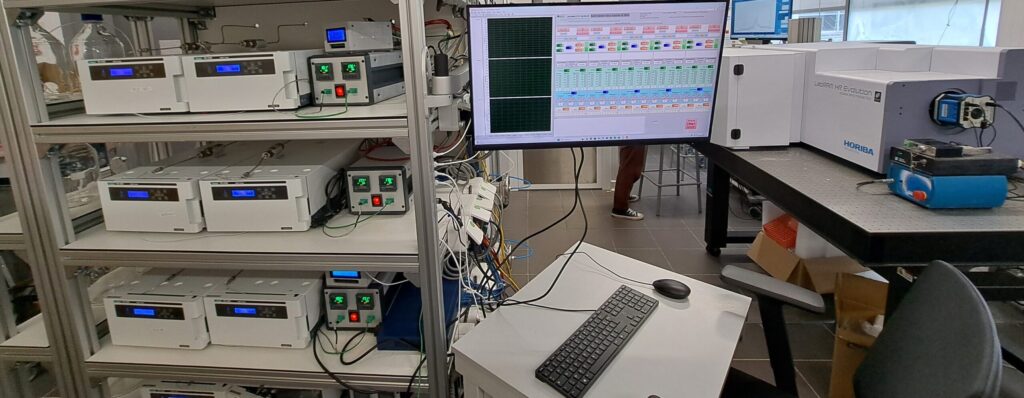
Cyril Aymonier is heavily involved in the PEPR DIADEM program, particularly in the 2FAST targeted project. His team is developing high-pressure, high-temperature micro- and millifluidic tools that integrate in situ characterization systems dedicated to the synthesis of advanced nanostructured materials. These developments have formed a key scientific and technological foundation for the GEMPROMISE project.
GEMPROMISE : address a fundamental challenge in materials science
To date, there is no unified theory linking the relationships between Processes → Structure → Properties → Performance in materials science. While high-throughput ab initio simulations can effectively predict Structure → Properties relationships, and machine learning has accelerated these predictions, comprehensive modeling of the Processes → Structure link remains largely out of reach, mainly due to a lack of data and the diversity of possible synthesis pathways.
In this context, GEMPROMISE aims to take a decisive step forward by developing generative artificial intelligence capable of predicting the synthesis process parameters needed to obtain materials with targeted properties and performance.
A synergistic approach combining experimentation, simulation, and AI
To achieve this goal, the project relies on a generative active learning approach, combining:
- the development of a multimodal model integrating experimental and simulation data of varying quality and quantity via a common latent space,
- the establishment of a platform for high-throughput synthesis and characterization of materials,
- high-throughput prediction of relationships Structure → Properties, in addition to experimental data.
This approach is based on the synergy between Cyril Aymonier (experiments), Gian-Marco Rignanese (simulations), and Pierre Vandergheynst (machine learning – ML).
The methodology will be developed using a family of inorganic model materials, the precise nature of which remains confidential at this stage.
Scientific significance far beyond materials
By developing a multimodal machine learning architecture capable of taking into account interdependent modalities and varying levels of uncertainty, GEMPROMISE will represent a major advance for AI models. This approach will be transferable to many fields, from computer vision to biology.
Ultimately, the project aims to propose a new paradigm in materials science, applicable to all synthesis processes and all material properties, while integrating environmental costs, in order to respond to today’s major societal challenges.
The PEPR DIADEM, a catalyst for GEMPROMISE
When asked about the contribution of the PEPR DIADEM to his research, Cyril Aymonier emphasizes:
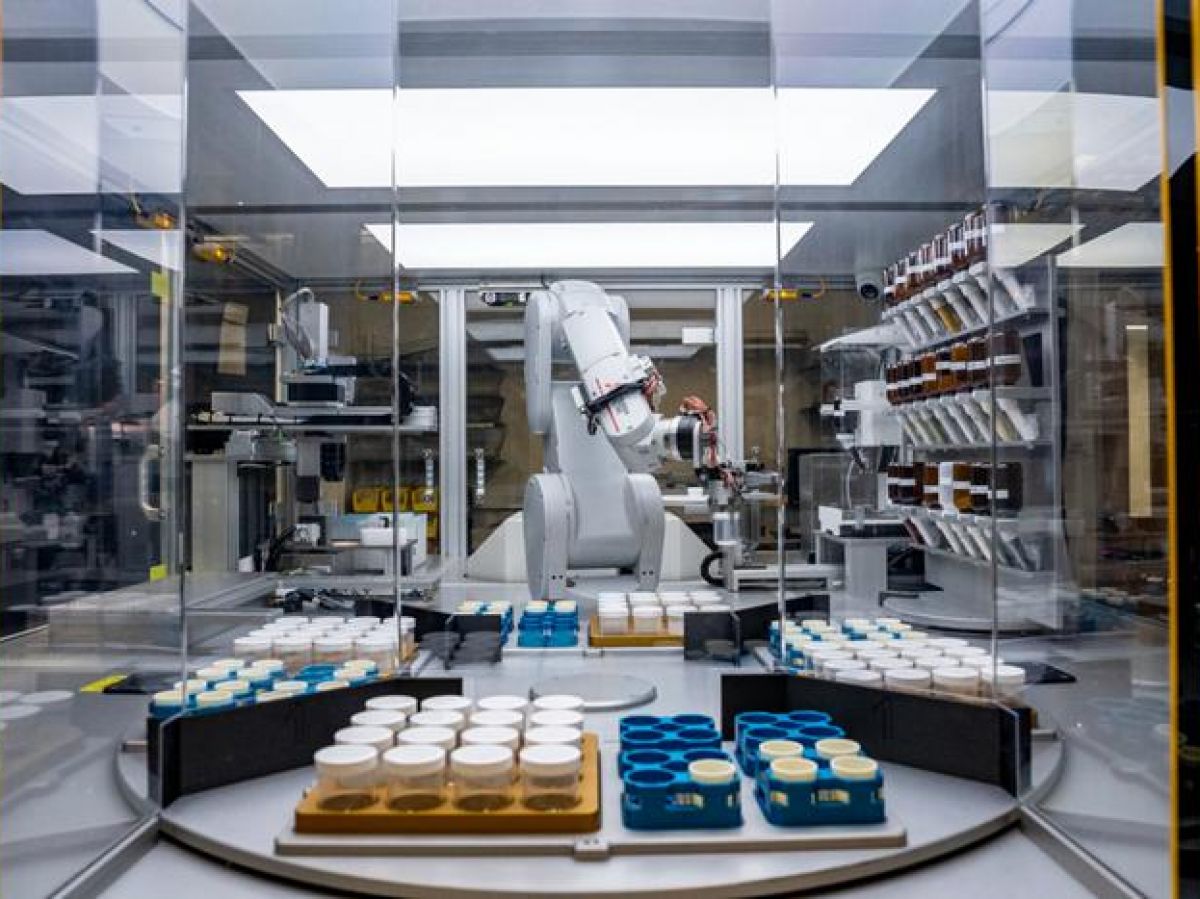
The GEMPROMISE project is a continuation of the work carried out as part of the PEPR DIADEM 2FAST project. It will enable the development of a fully robotized autonomous laboratory capable of generating more than 50,000 data sets per year, which will then feed into the generative AI model.
The proof of concept carried out as part of the 2FAST project, with the development of the high-throughput liquid and supercritical synthesis platform (SynHDLS), was decisive during the oral presentation in Brussels. It demonstrated to the ERC jury our ability to develop an autonomous laboratory capable of producing more than 50,000 new materials per year.»
Strong synergies with DIADEM’s areas of focus
There are numerous synergies between GEMPROMISE and the PEPR DIADEM program, as confirmed by Cyril Aymonier:
Our team works closely with DIADEM. Two of the three principal investigators at GEMPROMISE, Gian-Marco Rignanese and myself, have strong ties with PEPR. There will be synergies with DIADEM’s platforms, particularly in the area of high-throughput characterization of materials, but also in the development of collaborative databases dedicated to materials science and artificial intelligence tools. »
To stay informed about our news and upcoming editions, sign up for our newsletter!
Plus d'actualités